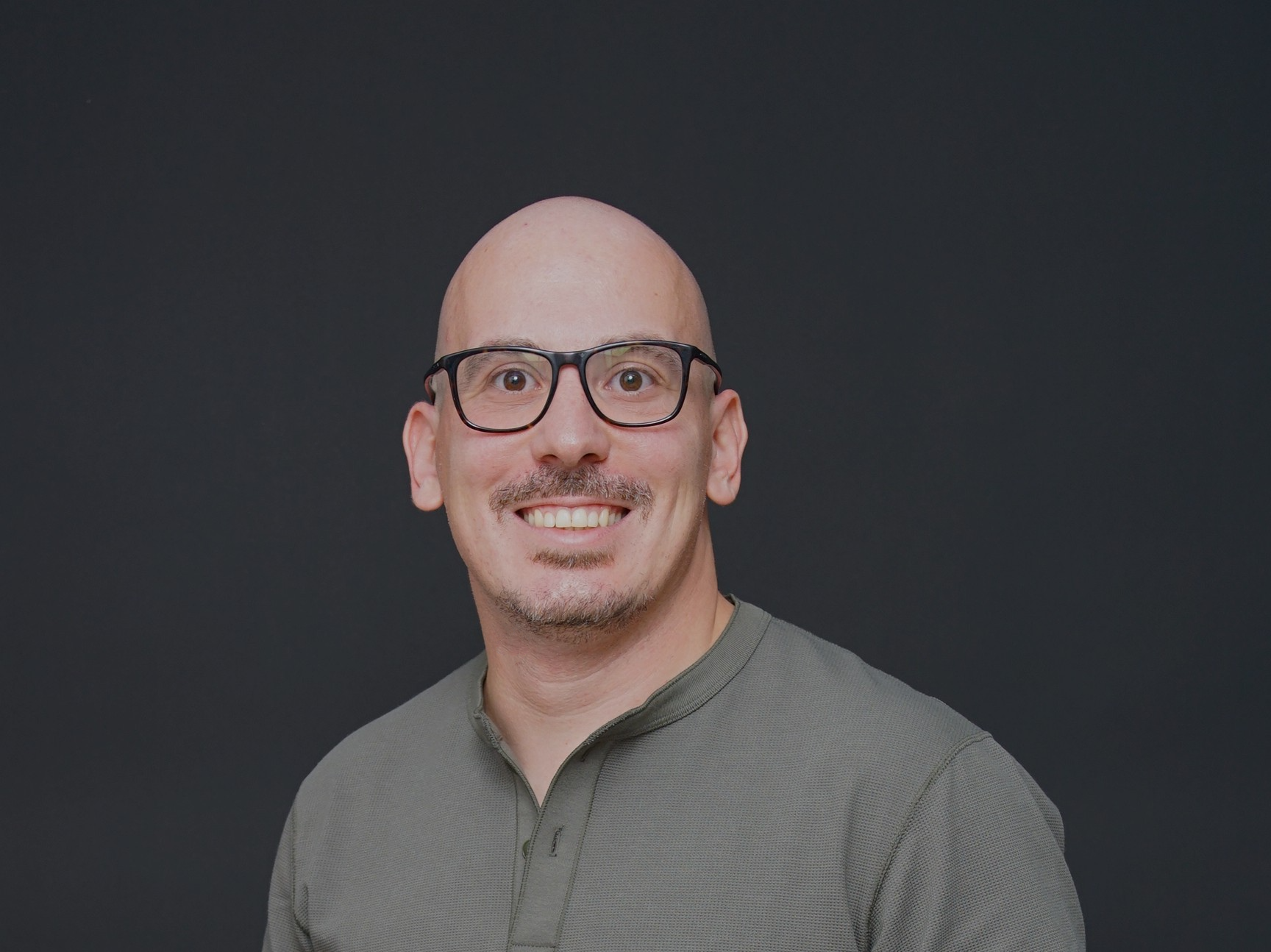
Hi, I’m Moutaz
Corporate Trainer
Team workshops on self-awareness, bias, and communication, built from 20 years leading teams across EMEA, MENA, and APAC.

Interview Coach
1-on-1 preparation for your next big interview. I've sat on both sides of the table, so I know what hiring managers actually listen for.
Author
Writer of The Second Motive, on turning guilt into growth. I speak on stage and on the page about why people stay stuck.

Whether I'm coaching someone through their next interview, running a workshop, or writing, the same principle drives all of it: real change comes from confronting discomfort, not avoiding it.
I spent 20 years in corporate, leading teams and building commercial results across Europe, MENA, and APAC; including brands like LEGO. That experience sits behind everything I do now, whether it's preparing someone for a high-stakes interview or helping a team work through its own blind spots.
It's also where The Second Motive came from. I don't offer feel-good motivation or sugarcoated advice; I use psychology, my own life story, and real-world mechanics to explain why people stay stuck, and what actually moves them forward. That book has since become a corporate workshop, where I take the same framework and put it directly in front of teams.
If you're waiting for inspiration, you're wasting time. Every skill requires practice, and practice without the proper framework is a waste of time.

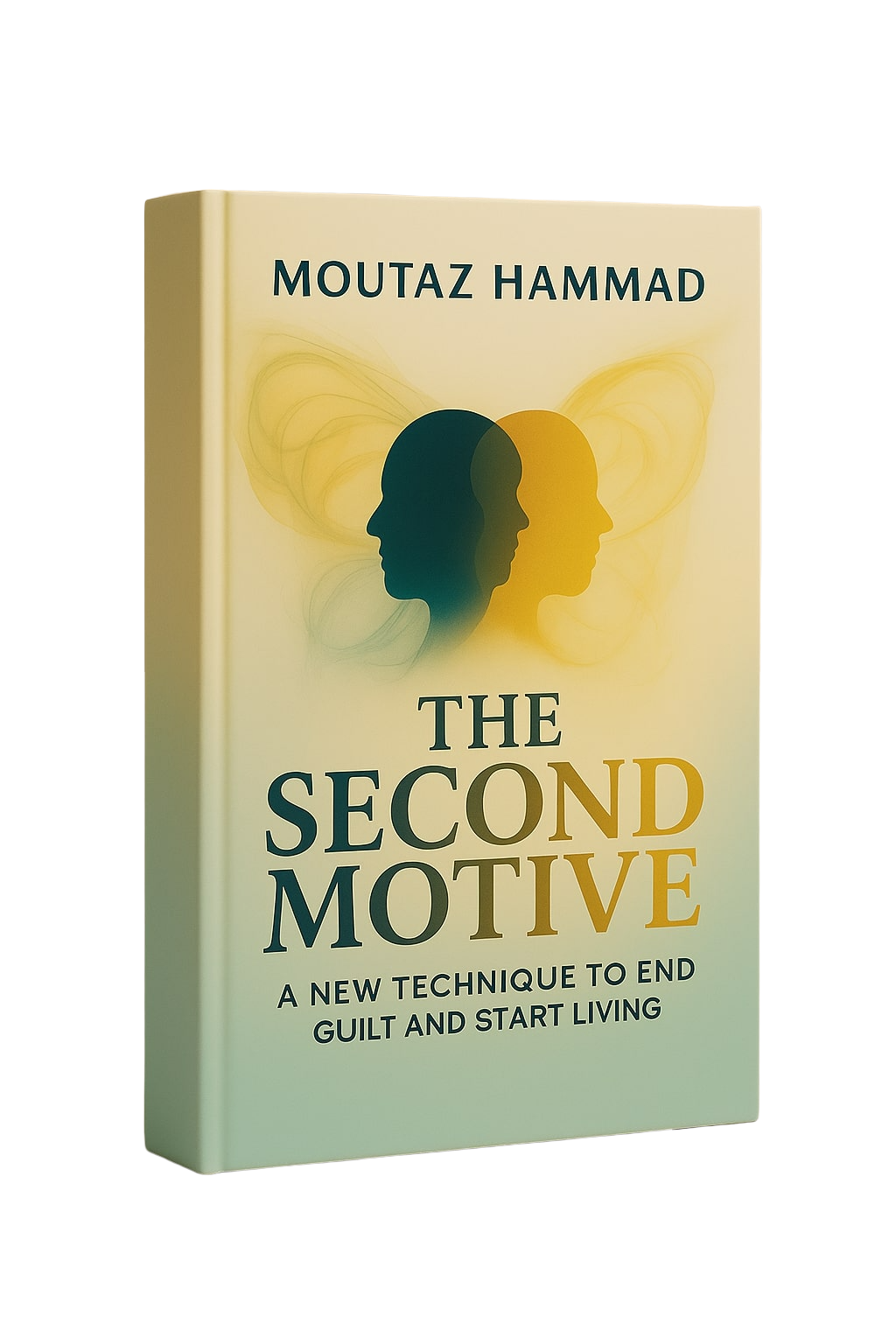
Stop Negotiating With Guilt
You already know what you need to do. Overthinking and unearned guilt are the technical errors keeping you stationary. Learn the mechanics to execute regardless of how you feel
Follow me on Social Media